A Nine-Year Saga of Survival and Family
For nine years, Alive in Shelter has defied the odds, captivating players with its unique blend of retro-styled survival gameplay and heartwarming family dynamics. This isn't just a review; it's a retrospective, exploring the game's enduring appeal, the challenges faced by its solo developer, and the vibrant community it has fostered. Whether you're a seasoned survival game veteran or a curious newcomer, this deep dive into Alive in Shelter will reveal why this mobile game has thrived for nearly a decade.
Gameplay: Building Your Post-Apocalyptic Home
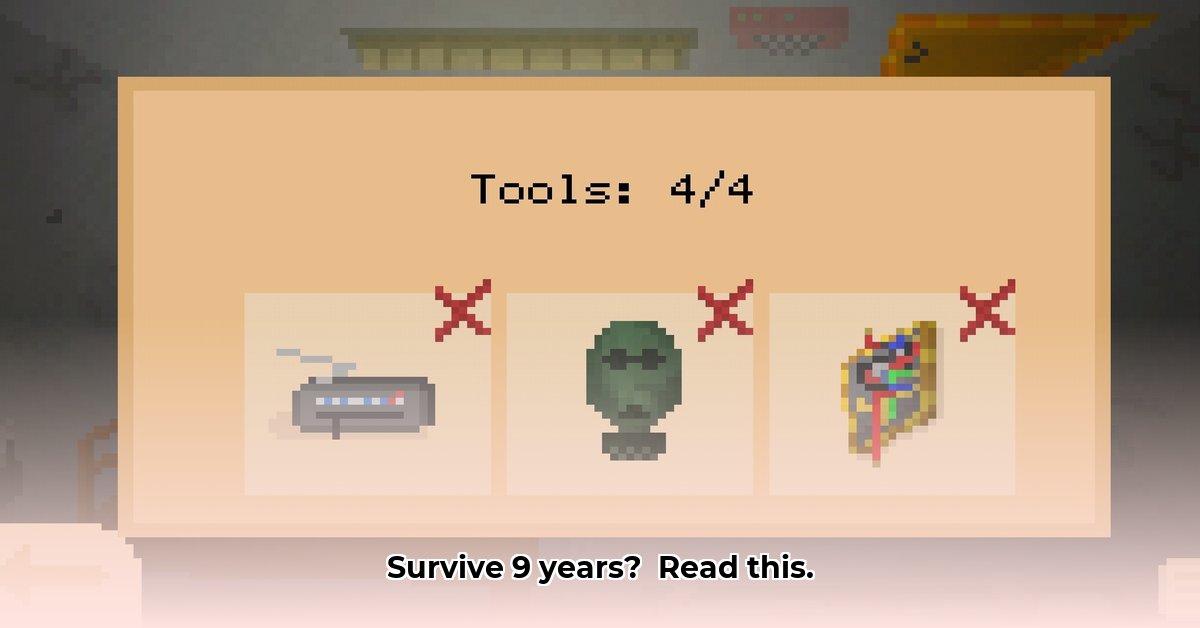
Alive in Shelter centers around resource management and crafting. Players scavenge for materials, craft essential items (tools, food, shelter upgrades), and expand their base to withstand the elements and potential threats. This meticulous management extends to caring for a growing family whose needs impact your survival. Every decision—prioritizing food storage over housing, focusing on defense or farming—shapes your family's fate, creating a personal and engaging experience. The inclusion of a surprisingly competitive multiplayer deathmatch mode adds an unexpected layer of strategy, forcing players to optimize resource gathering and base defense to outmaneuver opponents. How will you balance the demands of survival with the needs of your family in this challenging, yet rewarding, gameplay loop?
The Unfolding Narrative: A Story of Resilience
Unlike many games with cutscenes, Alive in Shelter's narrative unfolds organically through player choices. It's a story of your family's struggle and triumph—a testament to human resilience in a post-apocalyptic world. There are no pre-defined heroes or villains; only your family's fight for survival. The emotional impact is driven by the daily grind, the constant struggle against the harsh realities of their environment. Will your choices lead your family to prosperity or despair? The narrative is yours to craft.
Community & Longevity: A Testament to Dedication
Alive in Shelter's nine-year lifespan is a remarkable feat for an indie mobile game. This longevity speaks volumes about the unwavering commitment of its solo developer, Pokulan, and the passionate loyalty of a thriving community. A dedicated fanbase, complete with a comprehensive wiki brimming with gameplay strategies, showcases the game's enduring appeal. This strong community essentially acts as an extension of the game itself, creating a shared experience that transcends the digital world. How has this strong player base helped sustain the game through almost a decade?
Developer Challenges & The Uncertain Future
Maintaining Alive in Shelter for nine years has presented immense challenges. Pokulan has openly discussed experiencing developer burnout, a common issue for long-term solo projects. Sustainable monetization is essential for ensuring the game's continued development and potential expansion. The possibility of transitioning to a new game engine has been explored as an avenue to improve development efficiency. This raises an important question: Can a game maintain its original essence through updates while also adapting to technological advancements and the demands of a changing market?
Overall Assessment: A Balanced Perspective
Alive in Shelter boasts an addictive gameplay loop made unique by family dynamics and unexpected multiplayer elements. Its long-term success is a testament to its core gameplay, a thriving community, and the developer's undeniable dedication. However, the future depends on addressing developer burnout, refining monetization strategies, and maintaining the strong community engagement. While the path ahead is uncertain, the game’s impressive history suggests a positive outlook.
Strengths: Engaging gameplay, strong community, unique family elements, impressive nine-year history, consistent updates.
Weaknesses: Potential for developer burnout, monetization could be improved, future plans are somewhat vague, retro-graphics may not appeal to all.
Overall Score: 4.5 out of 5 stars. A remarkable achievement in indie game development.
Monetization Strategies: A Balancing Act
Alive in Shelter's success offers valuable lessons in sustainable monetization for long-term indie mobile games. The challenge is balancing revenue generation with player experience, ensuring that monetization enhances rather than dictates gameplay. A variety of strategies, including carefully implemented in-app purchases (IAPs) focused on cosmetic improvements rather than gameplay advantages, could provide a sustainable revenue stream. Meanwhile, maximizing ad revenue through the existing player base without disrupting their experience is key. The long-term success of the game, as highlighted by its nine-year history and continuing community, proves that thoughtful monetization, coupled with a strong narrative and frequent updates, offers a successful path for indie game developers.
⭐⭐⭐⭐☆ (4.8)
Download via Link 1
Download via Link 2
Last updated: Thursday, June 05, 2025